The fourth generation's responsibility

Conservation & community

The bush raised our family. Protecting it — and standing with the people who share its boundaries — is the inheritance we owe.

Our Belief

Luxury and conservation are the same journey

The finest safari experiences in Africa exist because someone chose to protect land rather than clear it — and because communities chose to live beside wildlife rather than fence it out. When your bed funds a ranger's salary, a village school, and the chef's training behind your dinner, luxury stops being indulgence and becomes stewardship.

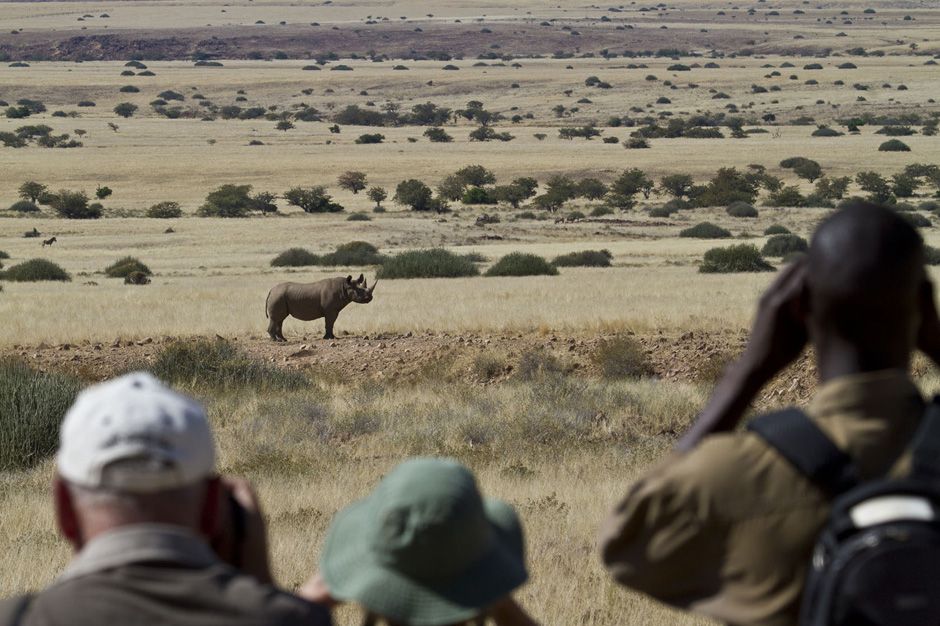
Tracking black rhino on foot

Conservation

Keeping wilderness more valuable wild

Across our preferred camps and reserves, guest revenue underwrites anti-poaching patrols and canine units, wildlife research and collaring programmes, and the slow, unglamorous work of restoring farmland back into functioning ecosystems.

We favour operators whose model is low-volume and high-value — few beds on vast land — because it is the economics that keeps wilderness more profitable wild than fenced, farmed, or mined. Botswana built a nation's tourism on the principle; the great private conservancies of Kenya and South Africa prove it season after season.

When you travel with Ellara, we tell you precisely what your journey protects, camp by camp. Ask us — we enjoy the question.

Travel With Purpose
Children of a village community laughing together

Community Upliftment

Conservation fails without its neighbours

No fence has ever protected wildlife as well as a community that benefits from it. That is why we prioritise lodges owned with, staffed by, and paying revenue into the villages that share their boundaries — often the largest private employers in their region.

The best operators go far beyond salaries: community-owned conservancy models where land rent flows to families; schools, clinics and clean-water projects funded by guest nights; and professional training that turns first jobs into careers — from field-guide academies to community culinary schools that carry students from neighbouring villages into the highest level of hospitality.

On request, we build these stories into your journey — a morning at a community project, lunch cooked by its graduates, time with the people who make the wild work.

See It Yourself
01

We choose partners by footprint

Before a camp enters our portfolio we ask what its beds actually fund: rangers, research, land under protection, community revenue. Beautiful is not enough.

02

People are the true custodians

Guides, trackers, chefs and hosts from neighbouring villages carry the bush's deepest knowledge. Journeys that honour them are better journeys — and better economics for the wild.

03

You see it with your own eyes

Time with researchers, rhino-monitoring teams, culinary-school kitchens and community classrooms — woven into the journey, never bolted on. It changes how a family sees the world.

Travel that gives back

Tell us what matters to your family — wildlife, oceans, education, the wild itself — and we will compose a journey whose beauty is matched by its footprint.

Request an Introduction